When you leave the hospital after a heart attack it's important that you follow-up with your doctor and the rest of your healthcare team. Making the most of that visit is an important part of making sure that you stay on the road to recovery.
Follow this checklist after your heart attack to heal and stay safe. Watch this to learn more.
Watch this video to learn how aspirin works to help prevent a heart attack or stroke.
Learn how for some people chewing aspirin during a heart attack can help limit the damage.
Learn the importance of taking immediate action if you or someone else is showing the symptoms of a heart attack.
Learn how to take nitroglycerin for chest pain and stay safe. Watch this to learn more.
Watch this video to learn the importance of taking an antiplatelet medicine or a daily aspirin after a heart attack, and know when to seek care.
Find out how statin medicines help you to treat your heart disease and lessen your risk of having another heart attack.
Watch this video to understand how beta-blocker medicine helps the heart heal after a heart attack.
Learn how one person's life changed after a heart attack.
No one wants to have to go back to the hospital after discharge. "Avoiding Hospital Readmissions: Heart Attack" explains the patient's role in preventing unnecessary hospital readmissions. This program includes critical information on how to better understand discharge instructions and continued recovery at home. Patients can review a discharge checklist that explains what they need to know before they go home.
It's important for a hospital patient to be active in his own healthcare. As a hospital patient make sure that you are prepared before you go home. In Part 2, review the checklist that will make doing that easier.
It's a relief to leave the hospital, but a patient should also plan carefully for the return home. Make sure all the bases are covered including who to call if there is a problem. Part 3 provides tips to make the return home easier.
Recovery really begins when a patient gets home. Often diet, exercise and new medications are part of the equation. In Part 4, find out what steps you can take to recover faster.
Watch this to learn how to lower stress and stay positive to help your heart heal after a heart attack.
In this video learn how Dale's life was impacted by her heart attack, and how she recovered from it.
Learn how having a heart attack changed Paul Lee's life.
A heart attack occurs when a vessel that sends blood to your heart suddenly becomes blocked. Follow these guidelines for home care and lifestyle changes.
Learn to take care of yourself after a heart attack.
Watch this video to recognize the symptoms of a heart attack.
Watch this to learn what happens in the body during a heart attack, and the signs and symptoms to look for.
Watch this to learn the most common symptoms of a heart attack for both men and women so you can quickly get help.
Learn how doctors find and treat a heart attack at the hospital. Watch this to know what to expect.
If you've had a heart attack, you are at risk for having another. Know the signs.
Your heart is responsible for pumping a constant supply of oxygen-rich blood to your organs and tissues. A heart attack occurs when the blood flow to your heart muscle is disrupted or stopped, usually because of heart disease.
Watch this video to understand what causes a heart attack.
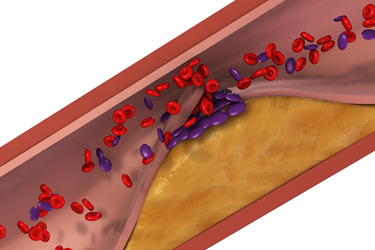
A heart attack happens when the blood supply is cut off from the heart muscle, usually because of a blood clot. Without blood and oxygen, the muscle cells are damaged and die.
Learn about heart attack risk factors and how to stay healthy. Watch this to protect your heart.
Watch this video to learn about heart attacks and strokes in women, what raises your risk, and things you can do to help prevent a heart attack or stroke.